Accessibility is the law — and more than the law
The Americans with Disabilities Act (ADA) sets standards for accessibility in public spaces, including the digital world. If someone can’t access your content, they have legal grounds to take action — say hello to fines, legal fees and the not-so-fun scramble to fix your site under pressure. This means all your print and online communications, including websites and social media, must be designed so people of all abilities can access, navigate and interact with your content.
While avoiding lawsuits is a good enough reason to make sure you’re complying with ADA standards, it’s also about fostering inclusivity and ensuring all necessary information is accessible to all users. Accessibility can make the difference in a parent’s ability to fill out an important form, or a student’s ability to meet a deadline. Whether it’s a student, parent, staff member or anyone else who may need to access your communications, ADA compliance sets everyone up for success, including those experiencing these physical and cognitive differences:
- blindness or low vision
- deafness or hearing loss
- limited movement
- photosensitivity
- cognitive limitations
- speech impairment
- physical disability
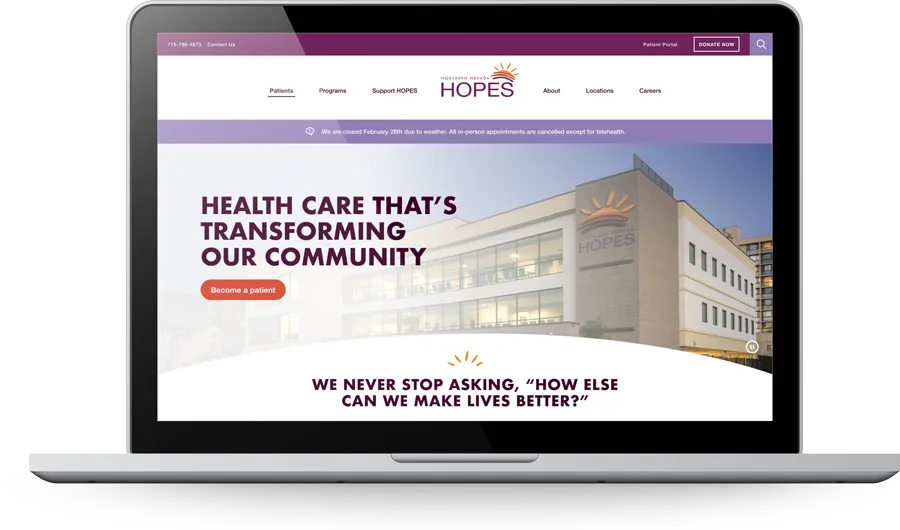
—Tim Robb, Nevada State Pandemic Response, Office of the Governor
Download your free guides
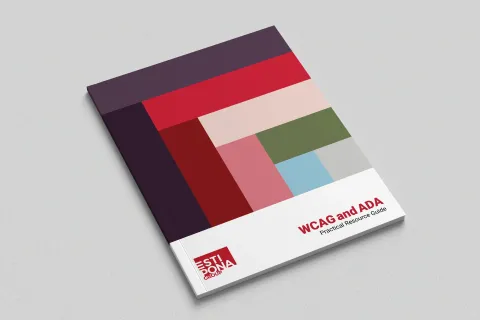
Creating an accessible website
On the web, we follow the Web Content Accessibility Guidelines (WCAG 2.2), a set of internationally recognized web accessibility standards. If you want your website to be more accessible, this guide is a great place to start.
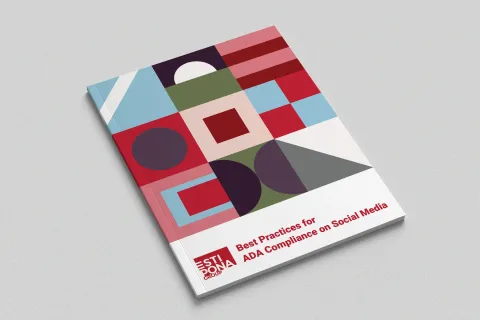
Level up your social media presence
Your social media is an integral part of your brand. When developing social media posts, consider ADA principles to ensure followers can access and engage with your content.
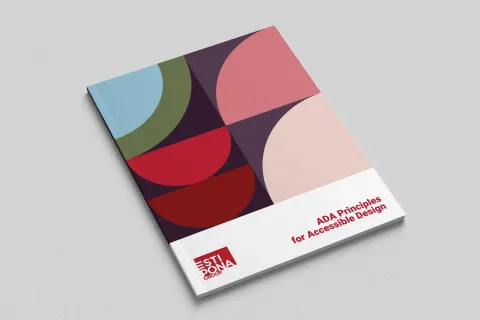
Good design is accessible design
Font size, color contrast, paper type — design using ADA principles is simply good design. Learn how to create more accessible communications with our guide to accessible print design.

ADA compliance marketing experts
Over Estipona Group’s 32 years as an agency, we have honed our expertise in ADA-compliant marketing and accessible design — so much so that were even called on to travel across the country to share our insights. Whether we’re developing a campaign for a university’s recruitment efforts or making sure a school district’s online resources are functional for all users, we help our clients create inclusive, effective communications that remove barriers to learning.